Water leaks hide for months. Smart meters find them in hours
A dripping valve or a running cistern can waste thousands of litres before anyone notices. Ultrasonic water meters that report remotely turn the monthly surprise into a same-day alert. Here is how it works and what a real batch looks like.
The leak nobody hears
Most water waste in a Seychelles business is not a burst pipe. It is a cistern that never quite shuts off, a valve left cracked open, an irrigation line weeping into the soil. Silent, continuous, invisible. The bill arrives six weeks later and the number is simply bigger. Nobody can say when it started or where it came from.
That is the problem with reading a water meter the old way: someone walks to it once a month, writes down a number, and the story between those two numbers is lost.
What changes when the meter reports itself
An ultrasonic water meter measures flow with sound rather than moving parts, so there is nothing to wear out and nothing to jam. Fitted with a radio module, it sends its reading automatically over a long-range, low-power network. No meter-reader visits, no manual logbooks, no estimated bills.
From those automatic readings you get three things a mechanical meter can never give you:
- Hourly consumption patterns. You can see what the building uses overnight, when it should be near zero. A steady overnight flow is a leak, and it shows up on day one, not at billing time.
- Alarms, not surprises. Set a threshold and the system messages you the moment consumption runs outside normal. A running toilet in a guesthouse becomes a text message, not a shock on the next bill.
- Per-point accountability. One meter per block, per tenant, per irrigation zone. Everyone can see their own usage, and disputes about who used what simply stop.
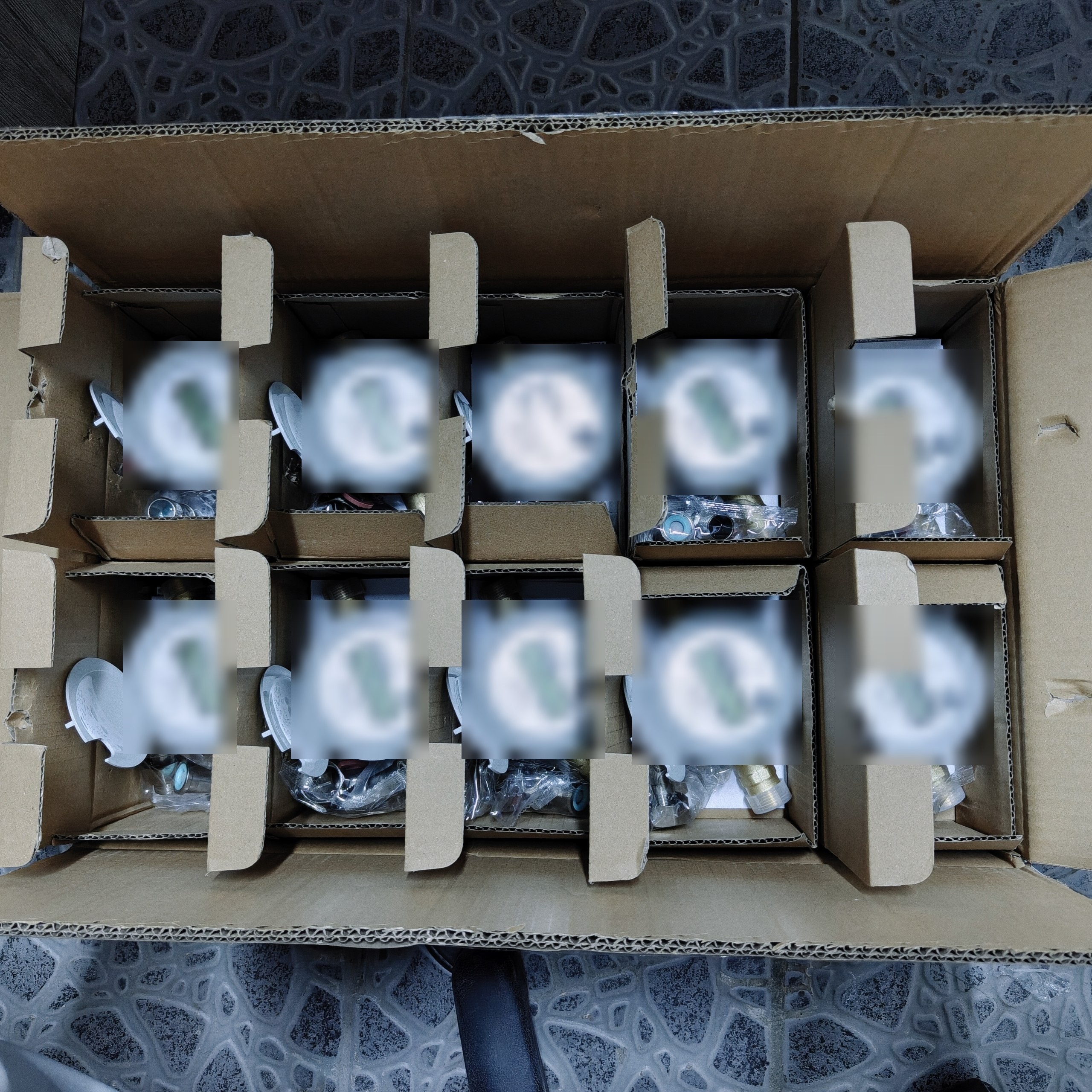
A fresh batch of ultrasonic water meters, checked and ready for installation. Each one reports its own readings remotely once fitted.
Where it pays first
In our deployments across Mahe, the fastest payback comes from places where water runs unattended:
- Guesthouses and small hotels. Cisterns and laundry are the classic silent wasters. Overnight-flow alerts have caught leaks within hours of fitting.
- Farms and nurseries. Irrigation left running after a valve fault can empty a tank overnight. Flow limits and alerts protect both the water and the pump.
- Multi-tenant properties. One meter per unit turns the shared-bill argument into ten clear, individual readings.
- Remote sites. Tanks, pumps and buildings nobody visits daily stop being blind spots. The reading comes to you.
Why ultrasonic, and why now
Mechanical meters lose accuracy as they age, and they only ever tell you a total. Ultrasonic meters hold their accuracy, have no moving parts to service, and, paired with remote reporting, turn water from a monthly guess into a live number you can manage.
Water is getting more expensive and less predictable in Seychelles. The businesses that watch it hourly will pay less than the ones that read it monthly. The hardware to do that is here, it is being installed now, and it pays for itself the first time it catches a leak you would otherwise have paid for.
Cyborg Corp designs and installs utility monitoring for businesses across Seychelles: water, power and more, watched live from one dashboard. Talk to us: info@cyborgcorpsolutions.com | +248 4 303 310 | +248 2 516 949.
Want to talk about what this would look like for your operation?
Book a free consultation. We listen first, propose only what makes sense, and walk away when the numbers do not work.